





The other day I had to make an insurance claim on a Sunday night and found that it is starting to be possible to do it without a website, without a form and without “press one for claims”. I wrote what had happened on WhatsApp, in my own words, and they replied straight away. They didn't ask for my policy number or any details they already had. I uploaded a few photos, answered the few questions they asked and the claim was processed. No waiting until Monday.
Ten years ago, that would have been science fiction. And it is becoming more and more common. Banks, airlines and online shops realised long ago that customers want to write through whichever channel suits them and get an answer right away, with no paperwork involved.
But there are corners that wave has not reached. They are niche, industrial processes, with too little volume to justify a big project and plenty of rules of their own. It is the long tail of digitalisation.
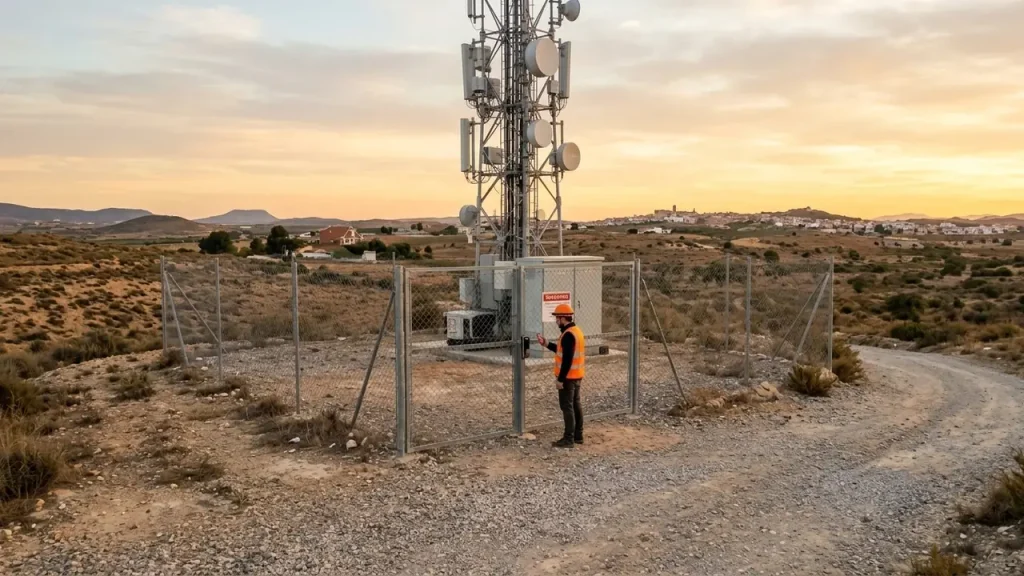
I know one well: access requests for critical sites. Telecom towers, substations, wind and solar farms, water reservoirs. Thousands of sites scattered across the country, often with nobody on site, where someone has to go and work.
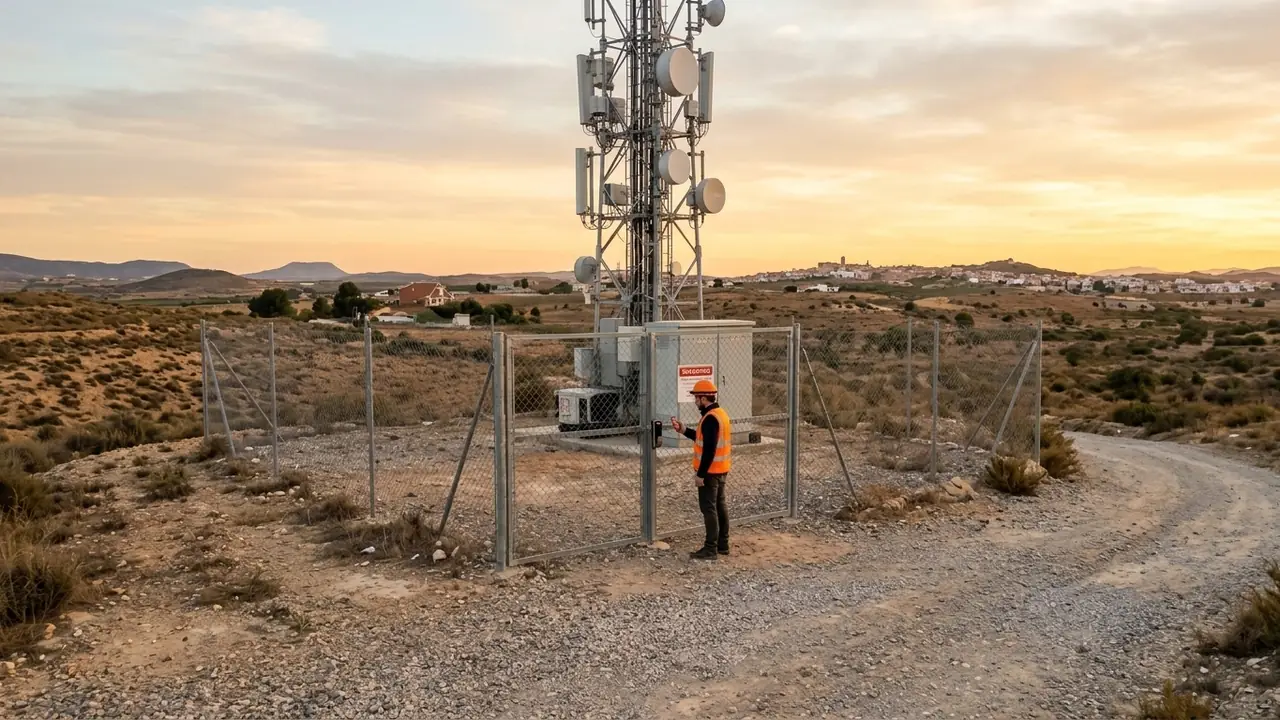
Every day, contractors, tenants and in-house technicians ask to enter one of these sites. Someone has to check who is going and why, whether their company is registered, whether their training is still valid, and whether the site is shared and someone else needs to be told. Then the code or the key has to be handed over and logged. Using what? Far too often, an inbox, a spreadsheet and someone's mobile phone, someone who at eight in the evening would rather be getting on with their own life. And for the technician who is going to do the job, all of that is paperwork standing between them and their task.
Why are we still doing it this way, if the technology exists?
My theory is that the technology is the easy part. The hard part is knowing what to do with it. A generic assistant doesn't know that you can't let in a technician whose training has expired, that the site owner is legally liable for it, or that some emergencies must be resolved within two hours to avoid a penalty. To automate this, you need to know the business as well as the technology, and that combination is rare.
At Atrebo, we have been managing site access for a leading towerco in Spain since 2021, more than 2,000 requests a month. We have learnt a thing or two along the way, and it applies to any sector where someone has to ask permission to go in and work. With that experience, we have built an autonomous access request management service.
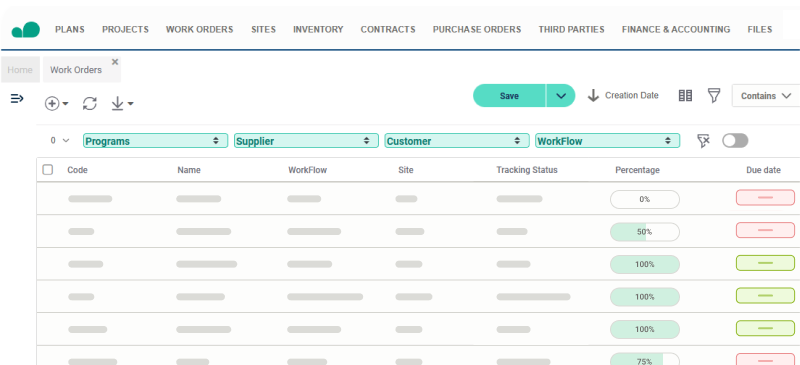
Requests arrive by email or messaging, as always. They are checked against company and personnel records and against the site's conditions. If everything adds up, access is authorised and sent, whatever the time. If judgement is needed, a person on the client's side decides, with everything ready. And every step is recorded for when the audit comes, because it always does.
So far, that is compliance without anyone losing sleep. But what has really got me hooked is something else.
Talk to anyone who manages infrastructure spread across the country and, sooner or later, data quality comes up. Many don't know for sure what they have installed at each site. And every access request says which company is going in, to do what and on which equipment. I'll bet you a coffee that much of the inventory of those sites is lost in access request spreadsheets.
If every entry and exit is properly recorded, access management stops being a toll you pay because you have to. It starts telling you what is happening across your infrastructure.
I haven't proved it. It's a hunch backed by many hours of conversations. So I'm asking you: if you manage access, how much information is getting stuck in your inbox? Write to me, I read everything.